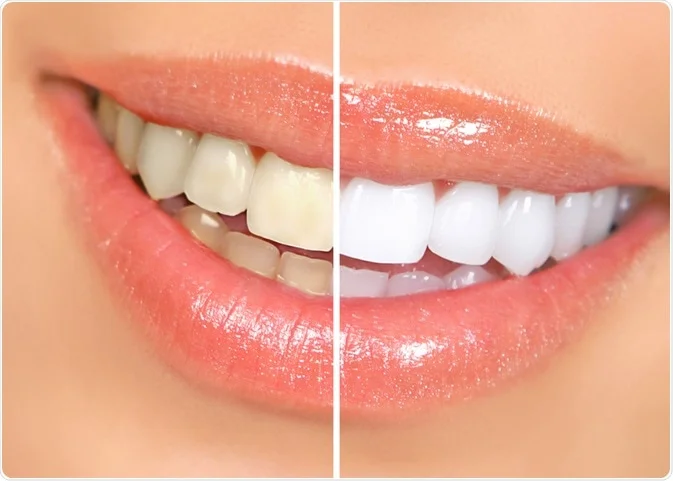
Understanding the Limitations of Traditional Whitening
When patients seek solutions for discoloured teeth, traditional whitening treatments often serve as the first line of defence. These procedures work remarkably well for surface stains caused by coffee, tea, red wine, and tobacco. However, they possess significant limitations when confronting deeper, more stubborn discolouration that originates from within the tooth structure itself. Veneers Balwyn may sometimes be more suitable. This distinction between extrinsic and intrinsic staining proves crucial in determining the most suitable treatment approach.
Whitening products, whether administered professionally or purchased over the counter, rely on bleaching agents that penetrate the enamel to break down stain molecules. Whilst this process addresses external discolouration with considerable success, it cannot reach or resolve staining that has become embedded within the dentin layer. For individuals facing this particular challenge, dentists in Balwyn offer an alternative solution that transcends the boundaries of conventional whitening.
The Nature of Intrinsic Tooth Discolouration
Intrinsic staining presents a fundamentally different challenge from the superficial discolouration that responds to whitening treatments. This type of discolouration develops within the internal structure of the tooth and can result from various factors throughout a person’s lifetime. Understanding the most common causes of intrinsic tooth discolouration helps patients recognise why standard whitening approaches may prove insufficient for their particular circumstances.
Medication-Related Discolouration
Certain medications, particularly tetracycline antibiotics taken during childhood or pregnancy, can cause permanent grey or brown discolouration that permeates the tooth structure. This type of staining remains impervious to bleaching agents, as the discolouration exists at a cellular level within the dentin. The distinctive banding pattern characteristic of tetracycline staining creates a particularly challenging aesthetic concern that requires comprehensive coverage rather than chemical lightening.
Developmental Conditions and Trauma
Dental fluorosis, which occurs from excessive fluoride exposure during tooth development, creates white or brown spots and patches that cannot be bleached away. Similarly, trauma to developing teeth or adult teeth can cause internal bleeding and subsequent darkening that persists indefinitely. These conditions alter the fundamental composition of tooth material, rendering surface treatments ineffectual.
Age-Related Changes
As teeth age naturally, the enamel layer gradually thins whilst the underlying dentin darkens and becomes more visible through the translucent outer layer. This process creates a yellowing or greying effect that originates from within the tooth structure itself. Whitening treatments cannot reverse this biological progression, as they address only surface-level concerns rather than the fundamental changes occurring beneath the enamel.
How Veneers Provide a Comprehensive Solution
Dental veneers offer a transformative approach to addressing intrinsic discolouration that remains beyond the reach of traditional whitening methods. These thin shells of porcelain or composite material bond directly to the front surface of teeth, creating an entirely new outer layer that conceals underlying imperfections. The opacity and customisable shade of veneer material allow dental practitioners to mask even the most severe discolouration whilst creating a natural-looking result.
The versatility of veneers extends beyond simple colour correction. They can simultaneously address multiple aesthetic concerns, including tooth shape, size, and alignment irregularities that often accompany intrinsic staining. This comprehensive approach proves particularly valuable for patients seeking to transform their smile whilst resolving discolouration issues that have persisted despite previous whitening attempts.
Modern porcelain veneers possess remarkable durability and stain resistance, maintaining their appearance for many years with proper care. Unlike natural tooth enamel, which remains susceptible to future discolouration from dietary and lifestyle factors, veneers provide lasting colour stability. This permanence offers particular reassurance to individuals who have struggled with understanding intrinsic dental staining and its persistent nature.
Making an Informed Decision About Treatment
Patients considering solutions for stubborn tooth discolouration benefit from understanding the fundamental differences between whitening and veneer treatments. Whilst whitening remains appropriate for extrinsic staining, intrinsic tooth stains require different treatment approaches that address the underlying structural discolouration rather than surface-level concerns.
Consulting with a qualified dental practitioner allows individuals to receive personalised assessments of their specific discolouration concerns. Through careful examination and discussion of treatment goals, patients can determine whether veneers represent the most suitable option for achieving their desired aesthetic outcome. This collaborative approach ensures that expectations align with achievable results whilst considering the long-term maintenance and care requirements associated with veneer placement.
Any surgical or invasive procedure carries risks. Before proceeding you should seek a second opinion from an appropriately qualified health practitioner.